
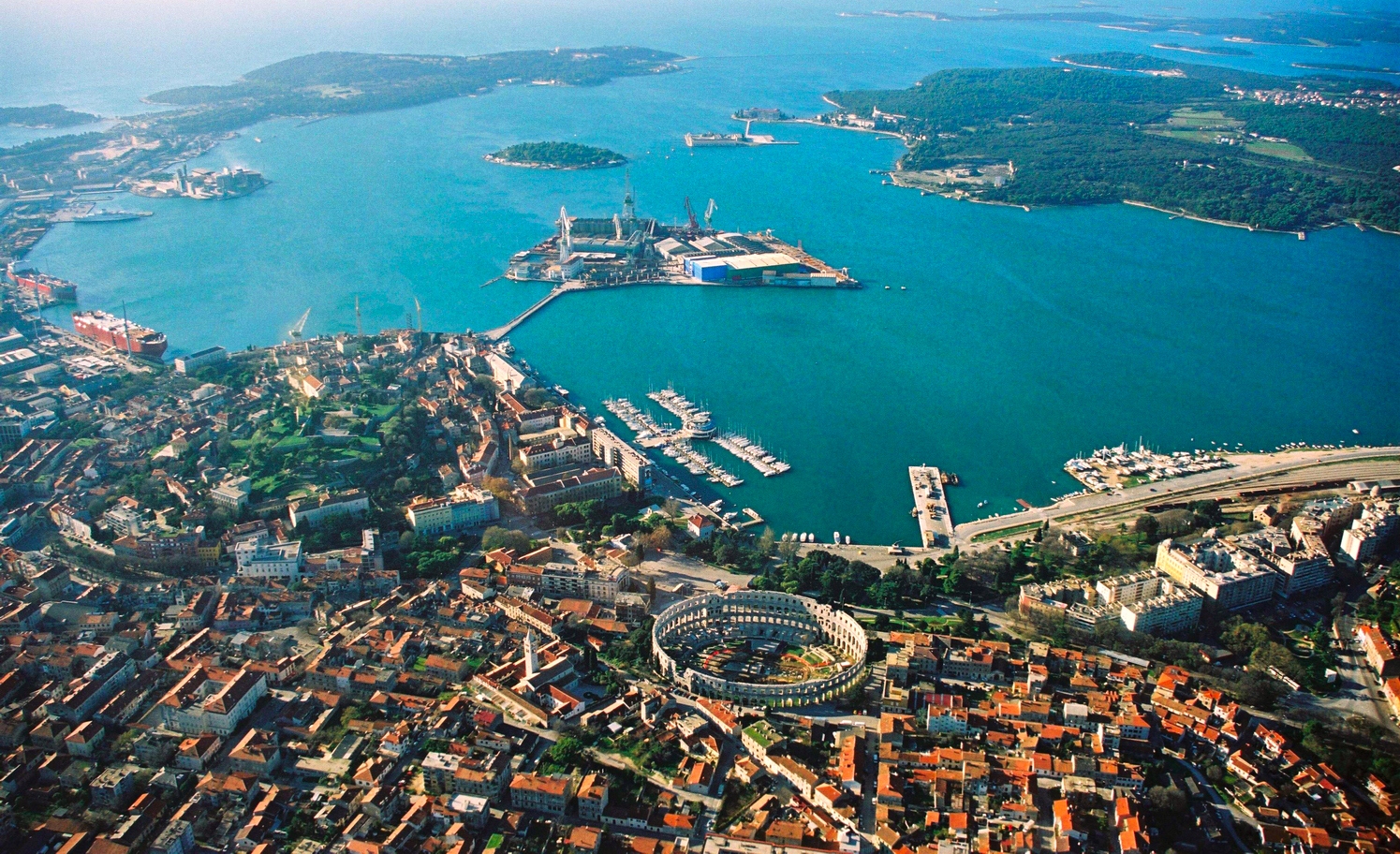

Hong Kong is as modern as a city comes. After landing here we had a short nap and hit the streets walking. Huge skyscrapers sporting neon lights surround you wherever you may be. Fast fact: Hong Kong has the distinction of having the most skyscrapers in the world (295 buildings more than 45 stories tall. New York comes in second with 231).

Megan compares the glitz and glamour of Hong Kong to that of Vegas. Giant TV screens loom over pedestrian intersections advertising the latest in fashion and beauty products. Shoppers dart in and out of high fashion stores and malls while touts on the street try their best to sell you fake watches, fake handbags, suits, and more discreetly; hard drugs. The British influence of Capitalism is still very much observable here.
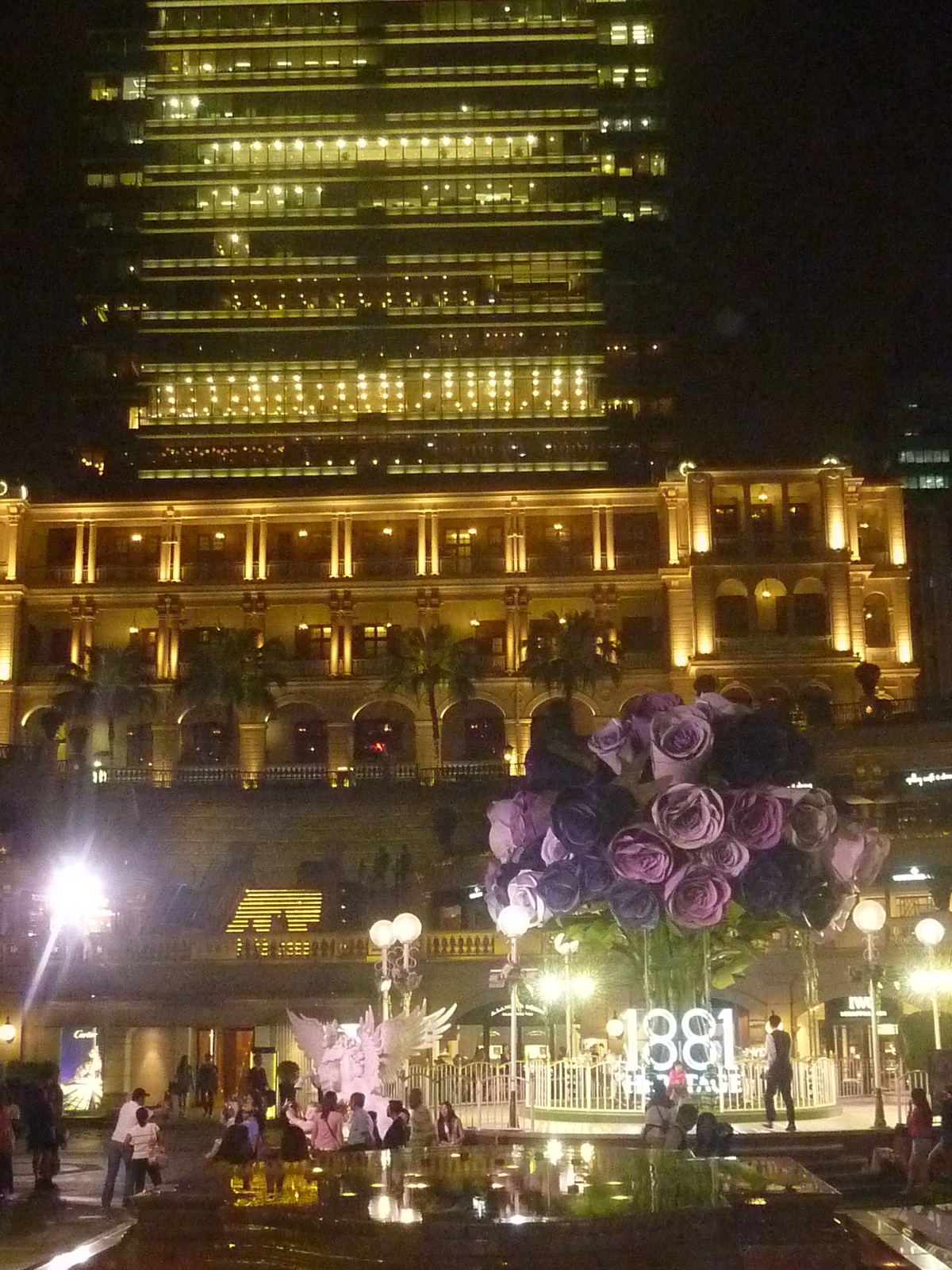
People dress very sharply, there is no garbage in the streets, and there are no beggers or homeless people lingering in the streets (although I am quite sure that this is not because of a lack of poverty but rather because of city policy and law enforcement). I can't help but wonder if behind the veil of consumerism there is a very dark side of Hong Kong that keeps this city afloat.
A little history about Hong Kong for those who are curious

Hong Kong flag
This is how I understand it: In the early 19th century opium smoking was becoming a big problem in China and as a result China was trying to crack down on Opium. Britain was caught importing 1.2 million Kilograms of Opium into China for trade and the Chinese seized the load. Britain was unhappy about this and as a result the First Opium War started in 1839. Britain won handily and as a result China was forced to cede Hong Kong to Britain as a colony. At this time Hong Kong was nothing but a small fishing town but it offered Britain a valuable military and trade port in Asia.

Opium Den
In 1898, Britain agreed to lease Hong Kong from China for a term of 99 years. This lease expired in 1997 and Hong Kong was given back to China. Today, Hong Kong is known as a “special administrative region of China” and runs somewhat like a sovereign country, making many of its own policies, laws, etc.
I should also note that during the Second World War, Japan invaded Hong Kong on the same day that they bombed Pearl Harbour. They succeeded in occupying Hong Kong for more than three years until they surrendered in 1945.
Enough with the history

Our first night we spent walking along the famous Victoria Harbour and witnessed the nightly 'Symphony of Lights'; a free laser light show synchronized to music that lights up Hong Kongs' impressive skyline. One thing I have to say is that the Hong Kong department of tourism has done at outstanding job. The tourist infrastructure is second to none – everything is so user friendly.
The next day we joined a food tour in which we got to taste many of the local Hong Kong delicacies. A lovely young Hong Kong local named Sylvan took us around to half a dozen hand picked restaurants to let us sample some of the best dishes Hong Kong has to offer.

Wonton soup is native to Hong Kong. The wontons here are filled with pork bits and a shrimp. I don't even like wontons and these were amazing.

Barbecued pork. This restaurant was 3rd generation family owned and its barbecuing and marinating secrets were a family recipe.
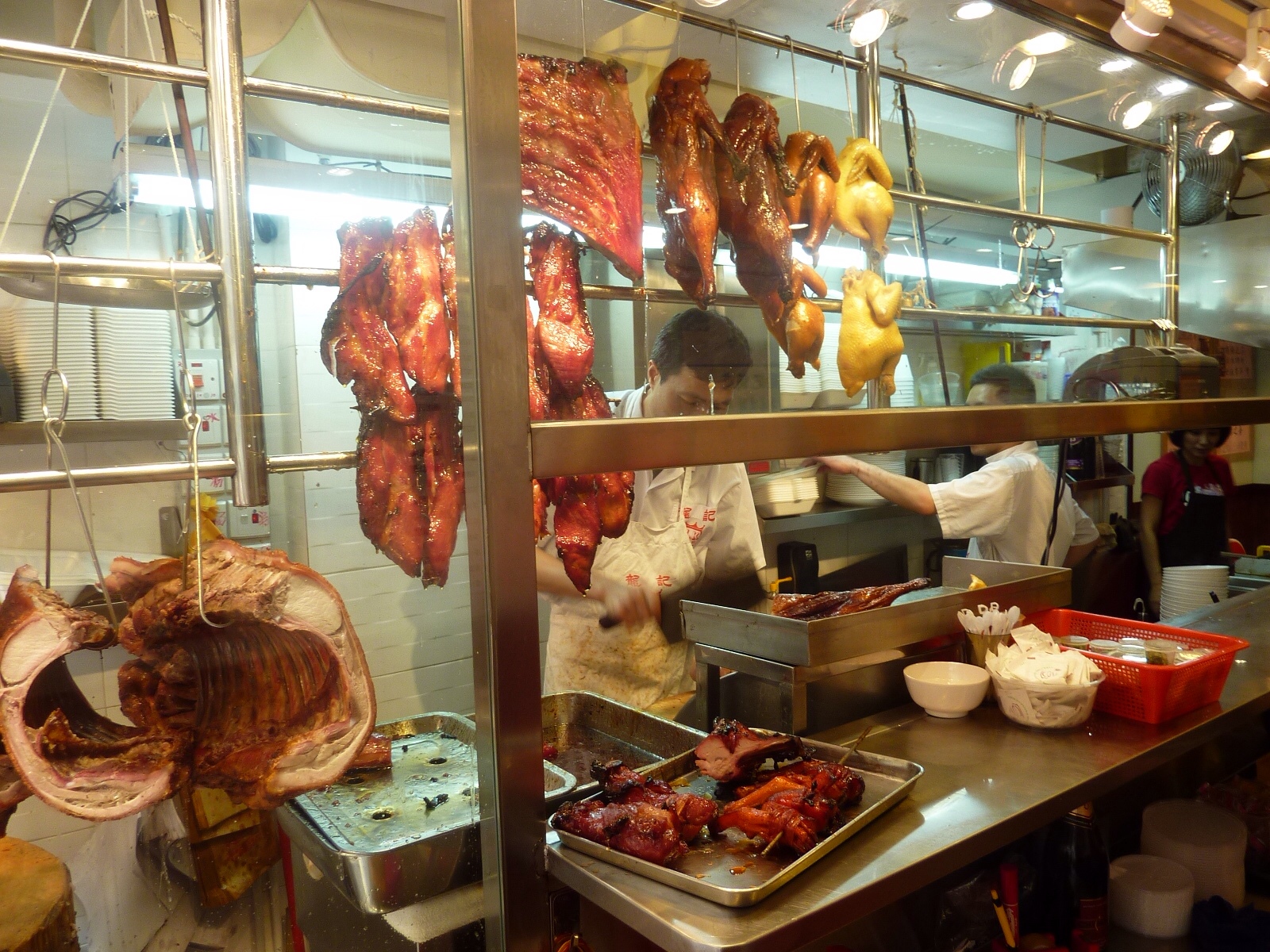
Contrary to popular belief, goose meat is much more preferable to duck meat in China. In fact, goose meat sells for nearly twice the price of duck!

Sylvan of Hong Kong Foodie Tours

Razor clam anyone? We didn't eat this.

Learning how to properly make Chinese tea. Apparently you are never supposed to make tea with boiling water. I wasn't so thrilled about this part of the tour. You could say it wasn't my cup of tea..... Har har har
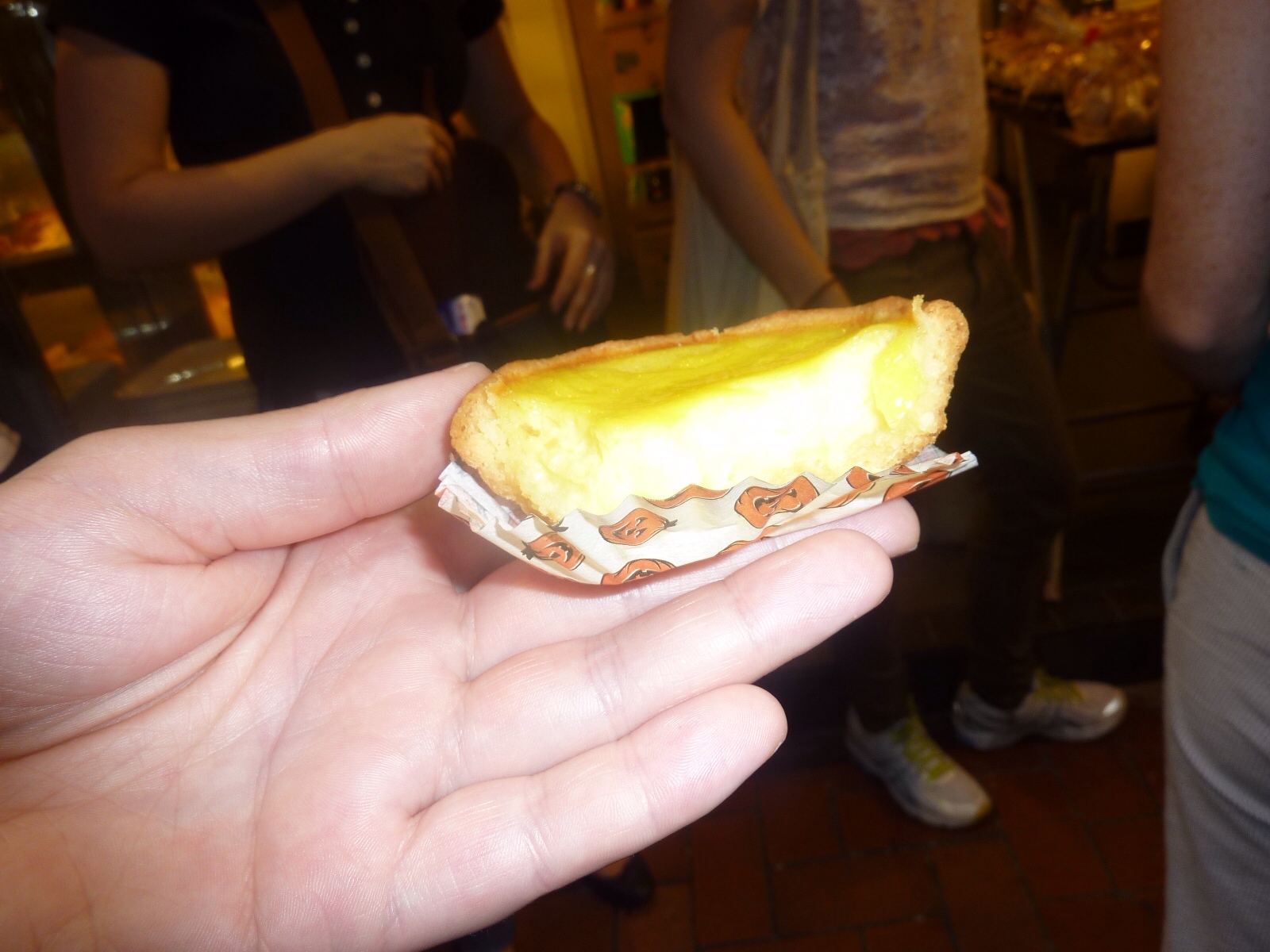
Egg tart for desert. A shortbread crust with creme brûlée texture. Megan's favorite food from the tour.
 Posted with Blogsy
 Kamikaze Canuck