Archive for the ‘Bosnia’ Category

Roman History

img_0789

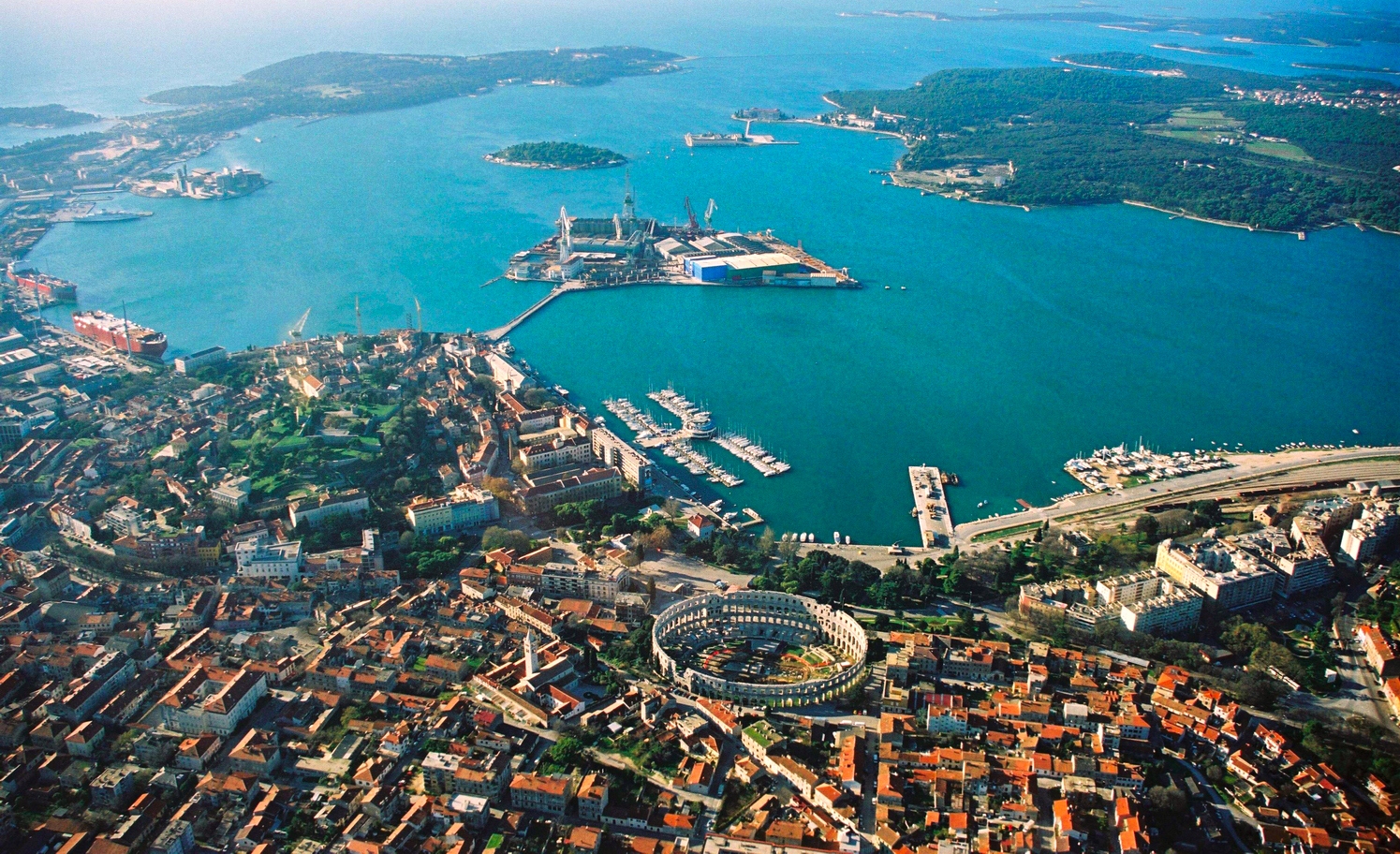
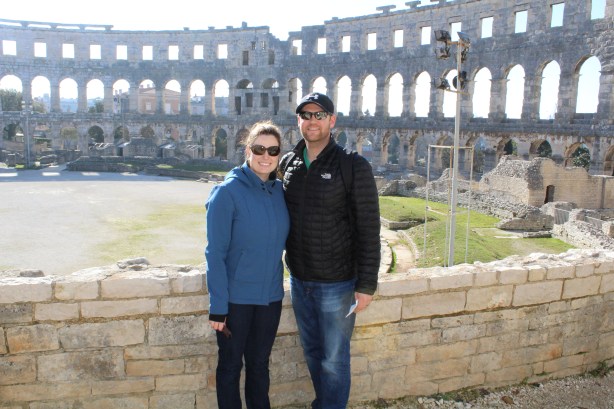
Colosseum (Pula, Croatia).  The most well preserved Colosseum outside of Italy.
 

8c6oj


img_0803

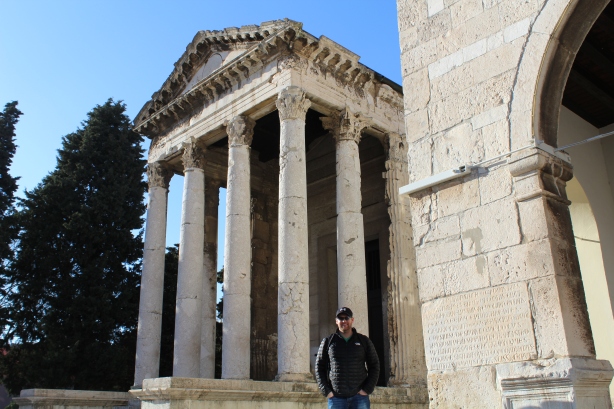
The Temple of Augustus (Pula, Croatia).  Built between 2BC and 14AD for the Emperor Augustus Caesar.  The Latin plaque beside be reads “To Roma and Augustus Caesar, son of the deity, father of the fatherland”.


At one point.  This entire area was part of the Roman Empire – which means that Roman ruins are dotted throughout the region.


Cafes/coffee
img_0813

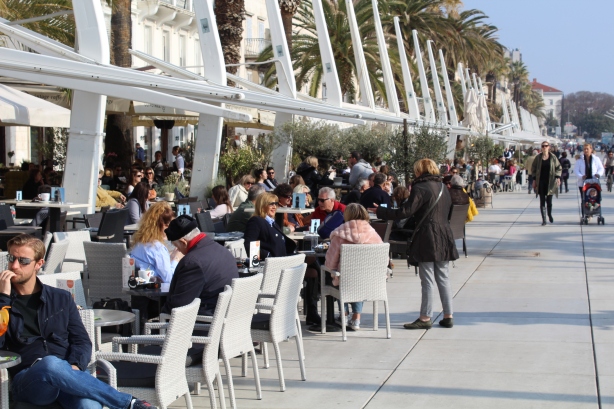
Cafes near old town (Split, Croatia)

As a local put it “coffee in Croatia is like a second religion”.  As we found out, it’s not only Croatia.  Coffee is a second religion in much of the Balkans.  People will spend hours sitting at a cafe socializing over a cup of coffee.  Of course, the coffee’s are strong and tiny (as they are in all of Europe).  Meg and I are dying for a large Tim Hortons coffee when we get home.


Smoking
pfrcvnksive9ofxhlxauo5vbnsw

“I don’t smoke – it’s a disgusting habit”

Well….. this isn’t one we will miss but we couldn’t leave it out!  Meg and I were shocked at how many people smoke in the Balkans.  In Bosnia, it’s nearly 50%!  In many places it’s still legal to smoke in restaurants and bars so their was a plume of smoke in many of the places we visited.  In fact, every country we visited ranks highly on the list of countries that consume the most cigarettes.


B&B hosts
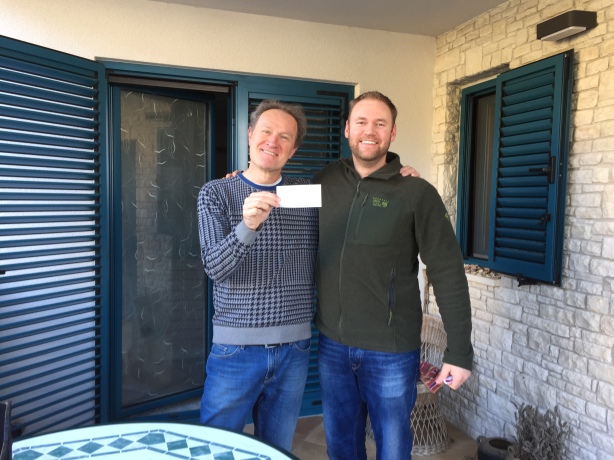
img_3341

Davor from Rooms and Apartments Villa Dama (Pula, Croatia)

This trip has been exceptional as far as our Bed and Breakfast hosts.  They have went above and beyond for us time and time again.  Most times they would greet us with a welcome drink when we arrived, and they would do absolutely anything they could to make our stay more enjoyable.  I can’t say enough about them.


Sauerkraut/Sausages

No Balkan market would be complete without sausage and sauerkraut.  It seemed to me that most local markets we encountered had someone soaking shredded cabbage in a barrel to make sauerkraut.
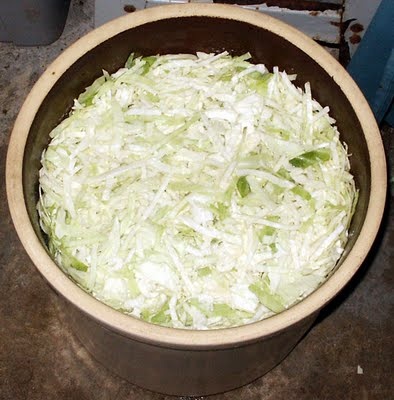
 

7f6d60094fb21f5c5eebb4ae9f34d7ca

Making sauerkraut

Likewise, it seemed to me that sausages or thinly sliced meat were a much more popular meat than say steak or pork chops.


Markets (Local grocery shopping)
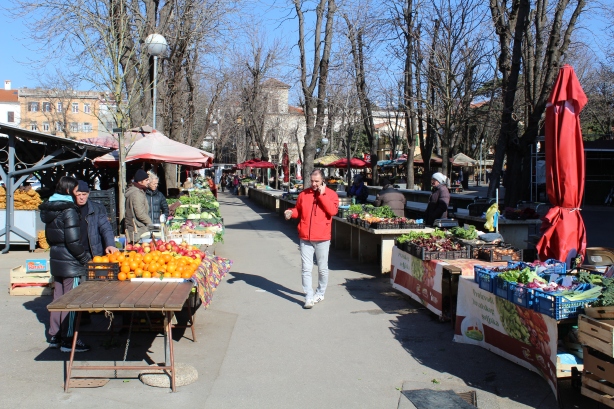
img_0774

As a general rule, I would say that most people in the Balkans shop at small, local, fresh markets instead of big box stores.  I would also venture a guess that most items in their diet are produced within a 200km range of them.  This is partly due to the climate in this region (which allows them to grow nearly everything).


Tunnels
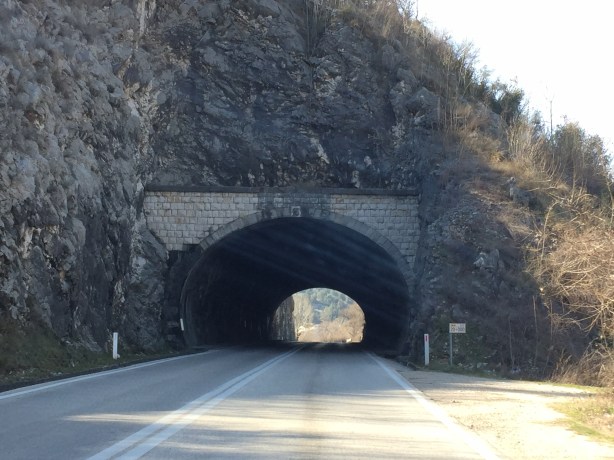
 

img_3444

I’ve never driven through more tunnels in my life.  Dozens of them.  The longest one we drove through was 6km long.
 

img_0805

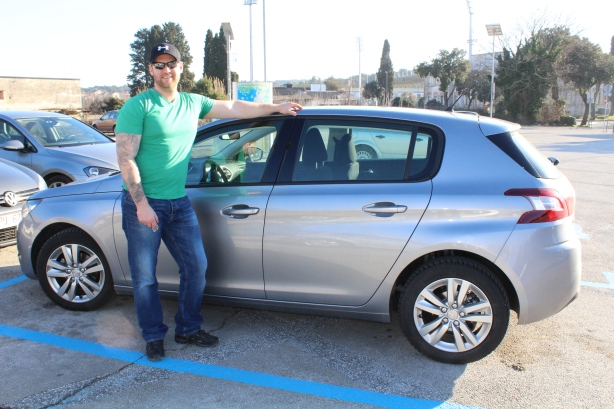
Our ride:  a hybrid Peugeot 308

After 1500km on the old rental car (which is a lot for Europe), it was time to say goodbye to it this morning.

We are now spending our last 3 nights in London before jumping across the pond to get back to reality.


Thanks for following along once again,

Jason and Meg
 

Part 2: The Bosnian War (1992-1995)

Posted: February 20, 2017 in Bosnia

Many of you probably remember seeing this war flash across the news in the early 90’s.  For me, I distinctly remember learning about it in Junior high and it has always been something I have been curious about.

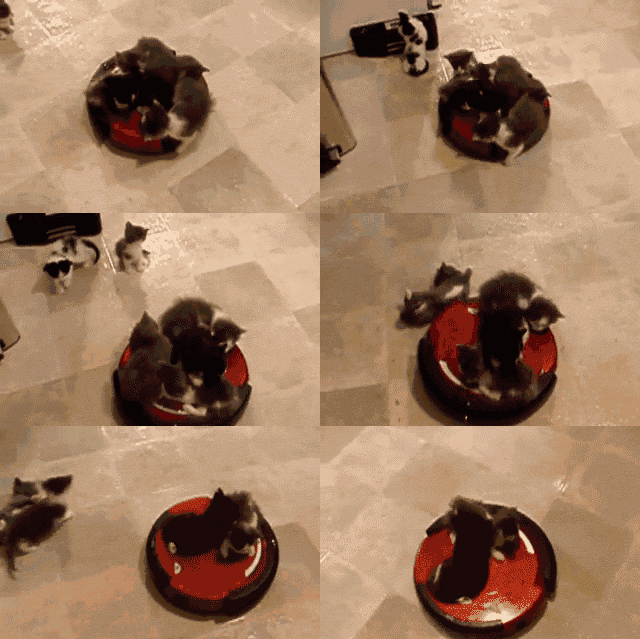
For those of you who would enjoy learning about the war, please read on.  For those of you who don’t want to learn- here are some kittens riding a roomba:

fjntx


In 1992, ethnic tensions boiled over and Bosnia was invaded by Serbian Forces.   The most common opinion I’ve heard is that when Yugoslavia was falling apart, Serbia was hoping to jump in and make former Yugoslavia a “Greater Serbia”.  Other regions weren’t too keen on this.

img_0814

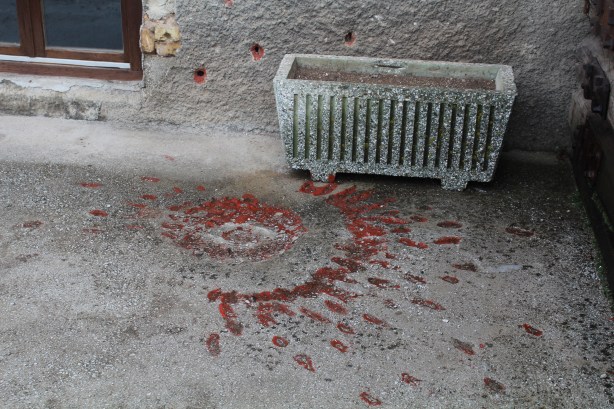
Mortar holes all over the city are filled with red paint to represent the spilled blood of the Bosnians

img_0823

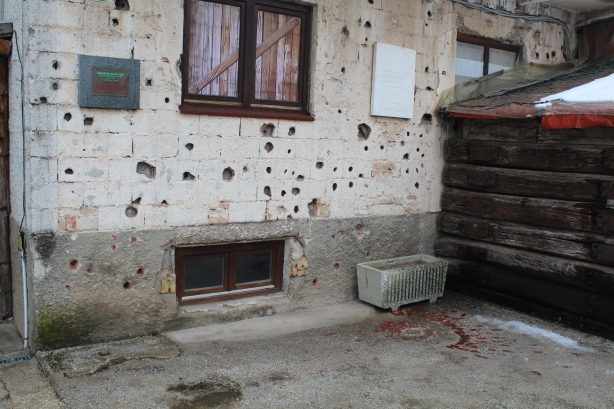
Bullet holes and Mortar holes are found in many buildings still.


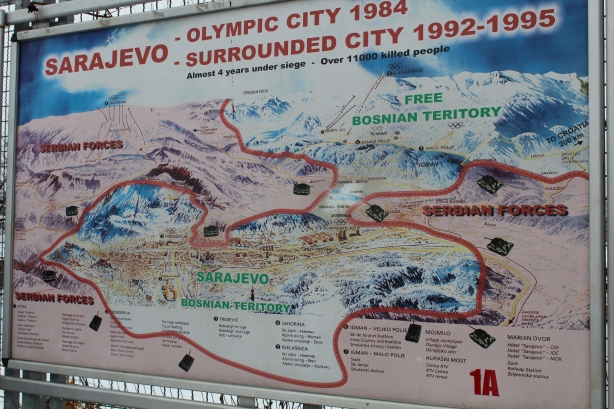
Serbian forces surrounded the city of Sarajevo in what is known as the “Siege of Sarajevo”.  No one was allowed in or out of the city for more than 3.5 years.

img_0821

Map showing how the city was surrounded by Serbian forces.

Snipers set up in the hills surrounding the city and picked people off periodically.

img_0845

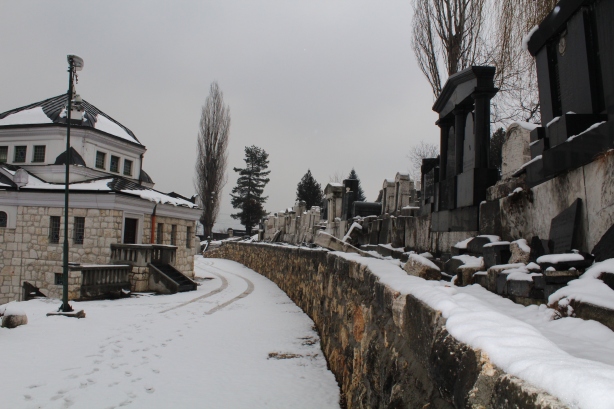
Jewish cemetary above Sarajevo that became a snipers nest during the war.  Several tombstones still show damage from bullets.


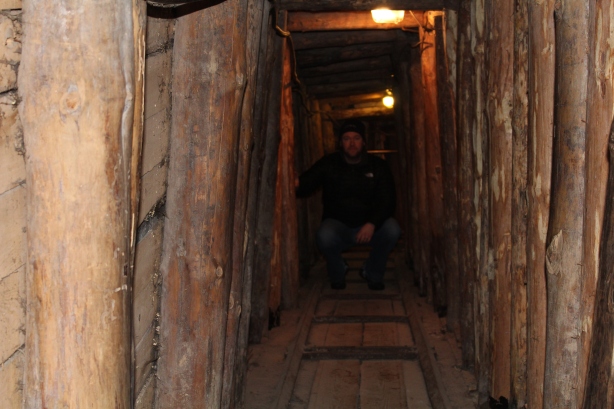
Because the city was surrounded, the people of Sarajevo dug an 800m tunnel to get supplies to the city.  The tunnel went underneath the airport to outside the city.  It was the only way food and supplies could get into the city.

img_0820

Me inside the tunnel.

Snipers on the hills were waiting for people to exit the tunnel so it was very risky.

img_0825

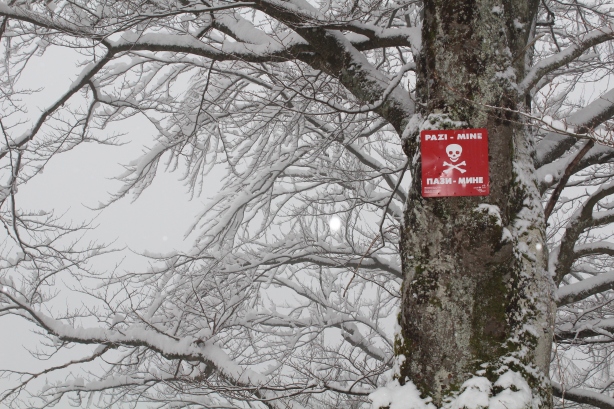
Some of the country still has land mines – Organizations are working to clear the land mines and the country should be land mine free within 5 years.

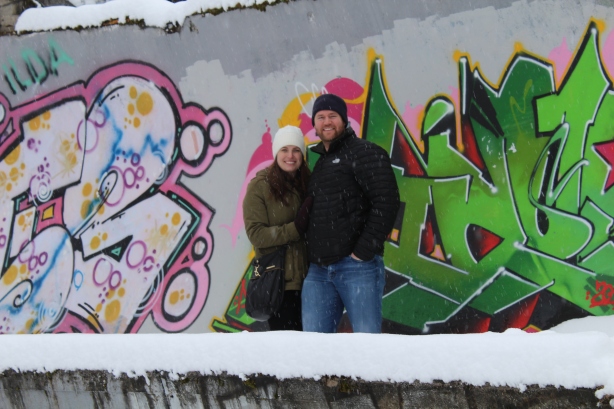
One of the most interesting things we did was visit the bobsled track from the 1984 Winter Olympics which were held in Sarajevo.

img_0835img_0834img_0831

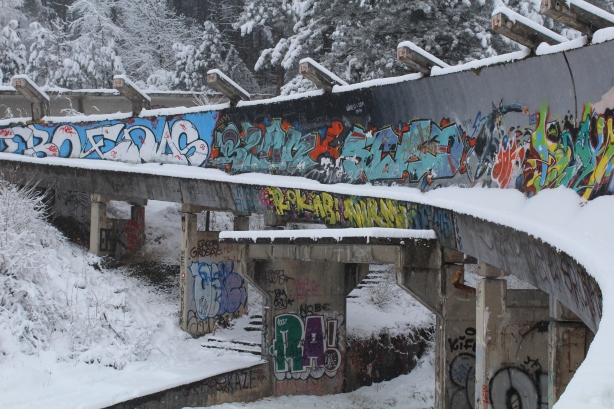
The bobsled track was used during the war.  It had holes drilled in it for forces to fire their machine guns through.

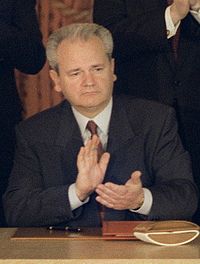
A total of 101,000 people died during the war and it is still a very tender subject here.  President of Serbia, Slobodan Milosevic, was tried at The Hague for war crimes and died of a heart condition in prison in 2006.

200px-slobodan_milosevic_dayton_agreement

Slobodan Milosevic


Of course, the reasons for this war are far more complicated than what I have written in this blog.  Every person we meet seems to have a different opinion on the war and I don’t really ask too many people as I’m not keen at opening old wounds.

One of the biggest reasons I wanted to come here was to learn about the war and for me, the knowledge I’ve gained has been worth the trip alone.


“Jason, what the hell are we doing here?”  Megan asked as we took our freshly stamped passports from the Bosnian border official and crossed the Bosnian border in our hybrid “golf cart” of a rental car.

screen-shot-2017-02-20-at-10-28-47-am

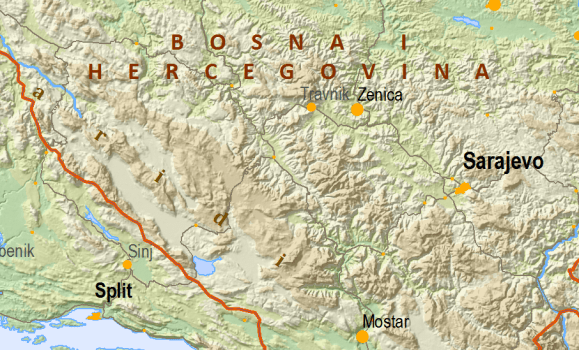
Driving from Split, Croatia to Sarajevo, Bosnia

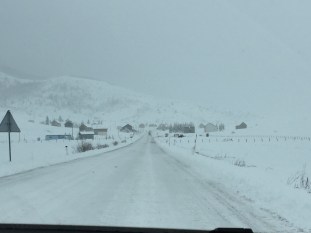
She wasn’t saying that because we were in Bosnia.  She was saying it because  we were in the middle of the Dinaric Mountains on a road barely wide enough for two cars to meet …….in the middle of a snowstorm.  White knuckle time.

qx7bq96klilbu

I can hear you saying:  “But Jason, you are in Europe, how bad can a snowstorm possibly be?”

Pretty dang bad is the answer.

img_3377

Pic we snapped from the rental car after the storm.

Tough to believe that only a couple hours earlier we were drinking coffee outside in a T-shirt in Croatia.

The 240km drive took us 6.5 hours as we navigated the storm.  I’m not gonna lie – it was the most stressful drive of my life.

But we FINALLY MADE IT TO SARAJEVO!

qdxfvlefgnvg


What do we know about Sarajevo?

img_3433

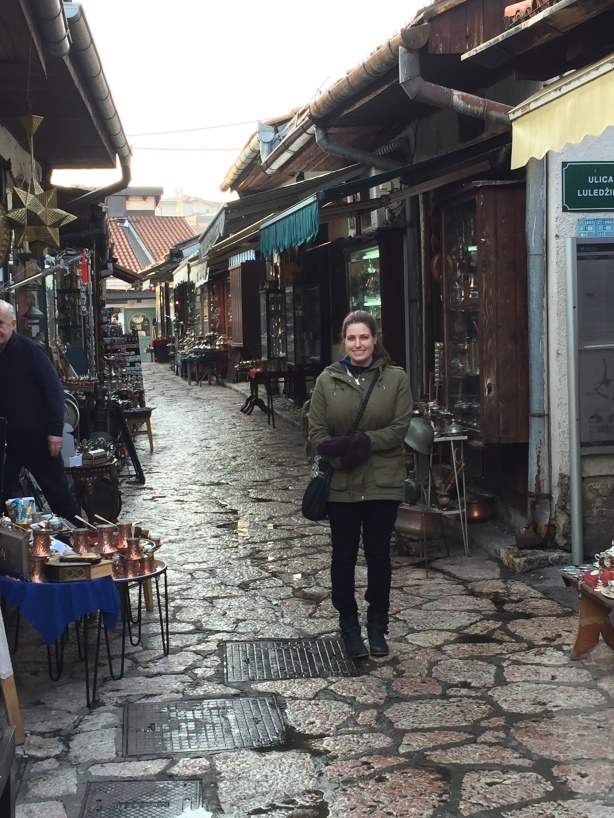
Coppersmith Street

img_3423

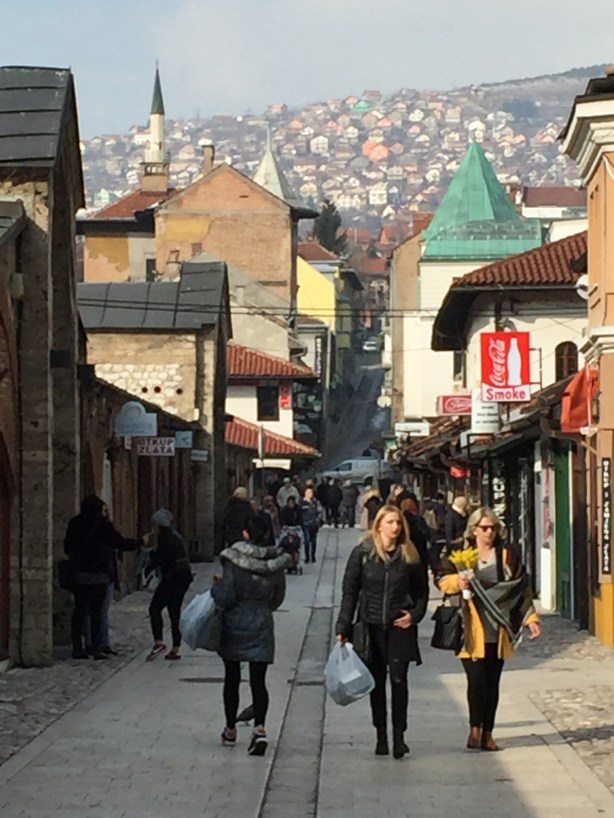
Old town

img_3417

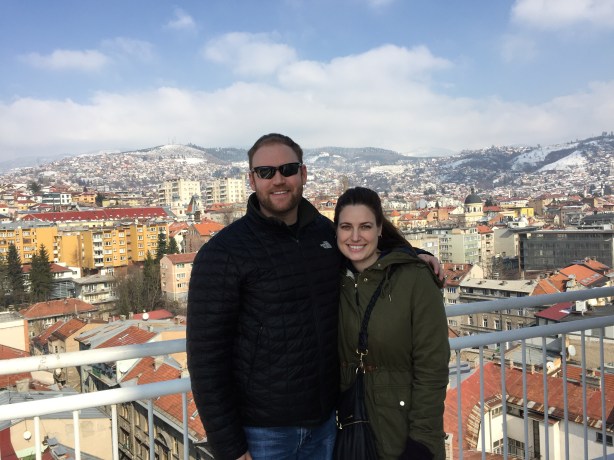
View of the skyline

img_3395

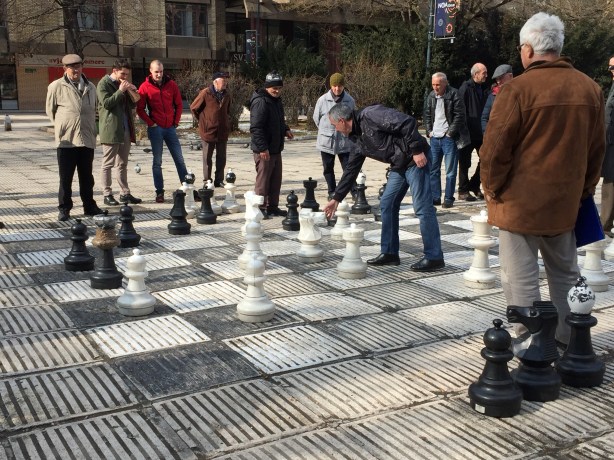
Old men ridicule each other during a game of giant chess in a town square

img_3410

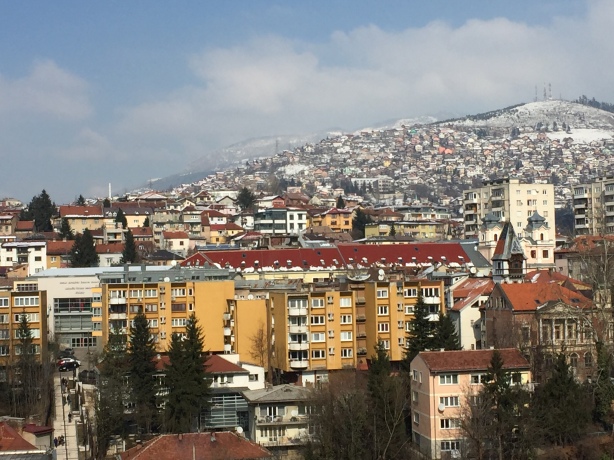
Sarajevo is built in a valley with large hills on all sides.

img_3412

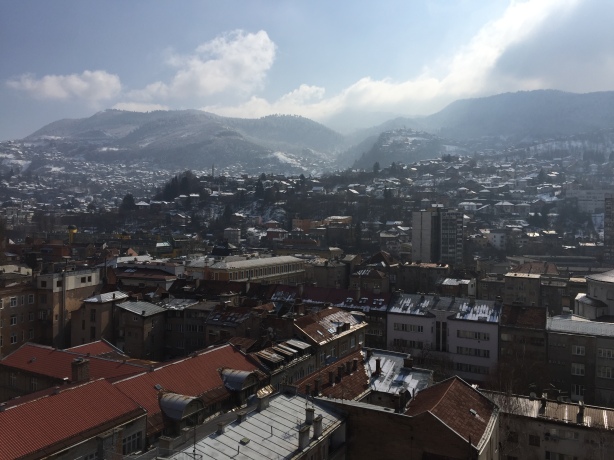
View from a 9th floor cafe

  • It’s the capital and largest city in Bosnia and Herzagovina (about 700,000 people).  The entire country has only 3.5 million people.
  • Ethnicities:  51% Bosnian (Muslim), 30% Serb (Orthodox Christian), 15% Croatian (Catholic), 4% other.
  • The mixed ethnicities mean that the politics are complicated – each ethnicity elects a president and the three presidents must work together.  Bosnia may have the most complicated political system I have ever heard of….. I’m not even going to begin to explain it.
  • The unemployment rate is 43-45%
  • Nearly everyone smokes
  • The country has tons of potential but still has not economically recovered from the Bosnian War (1992-1995).  More on that later.

Now let’s get to the good stuff….

The Food

sasddqosrclnu

Here are some of the local foods we’ve been sampling:

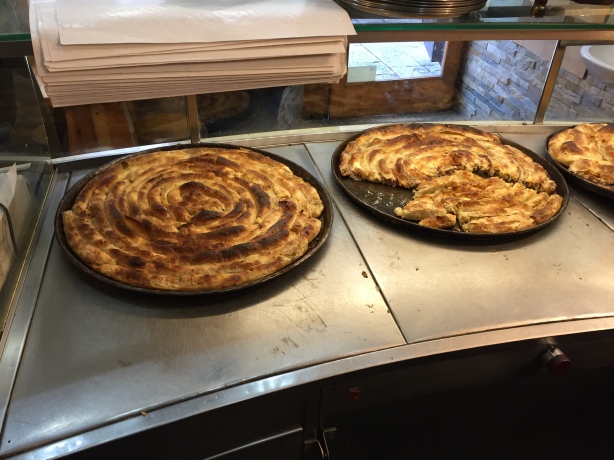
img_3437

Burek. A layered pastry stuffed with minced meat, cottage cheese, spinach, potatoes, and other fillings.

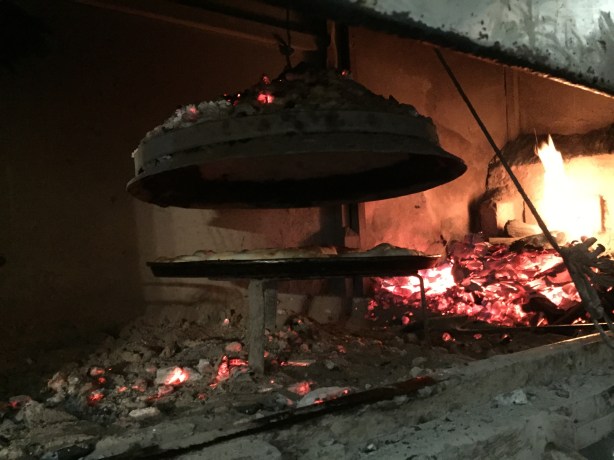
img_3438

The chef let me come see how they make burek. Hot charcoal is placed on top of a press which is then lowered down on top of the pastry.

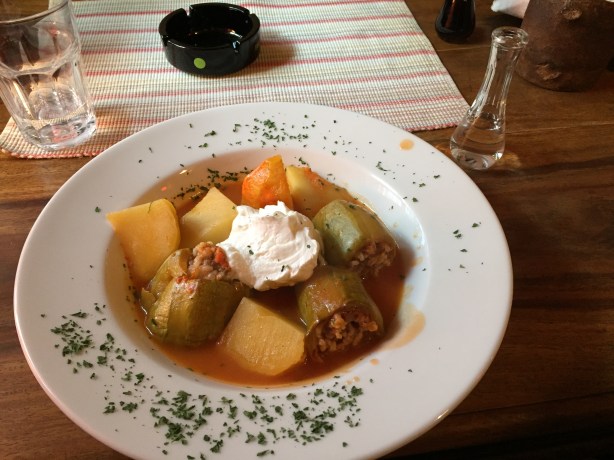
img_3429

Punjene Tikvice. Stuffed zucchini: ground beef, rice and spices are combined and baked in a hollowed zucchinis.

img_3387

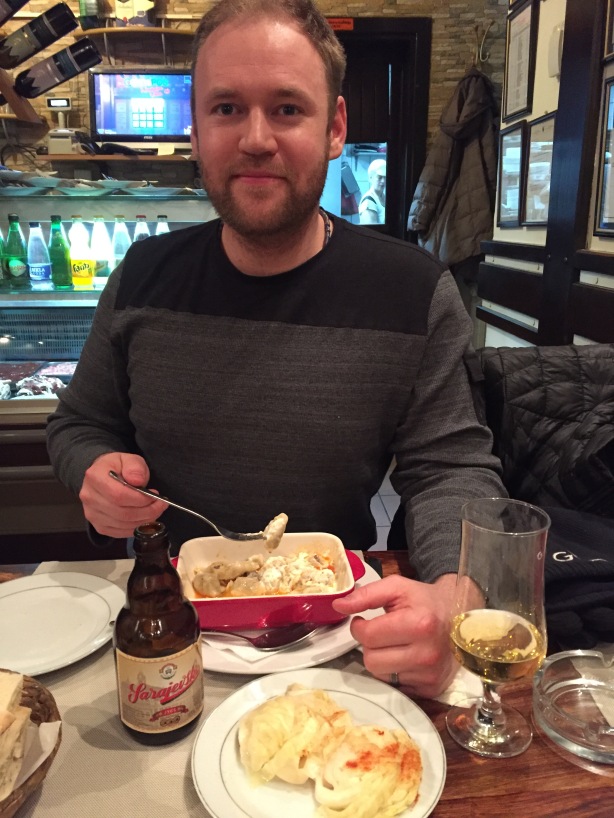
Klepe. Bosnian minced meat dumplings. The beer is Sarajevsko (excellent local beer)

img_3381

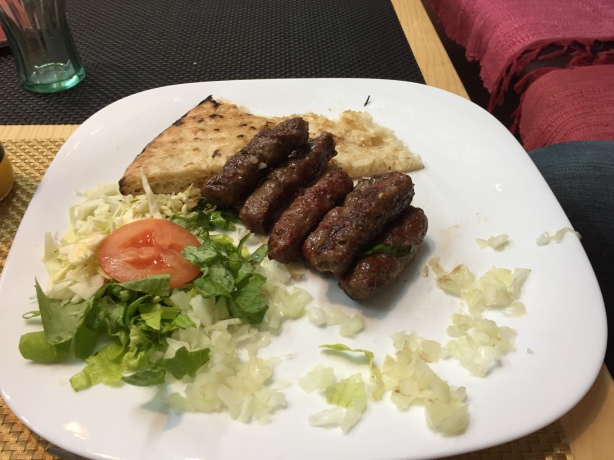
Cevapi. Rolled lamb and beef served with fluffy pita bread and vegetables.


OK.  This blog is getting way too long and I need a brewski to finish.  To be continued……

1k07ie